Restaurant Chairs


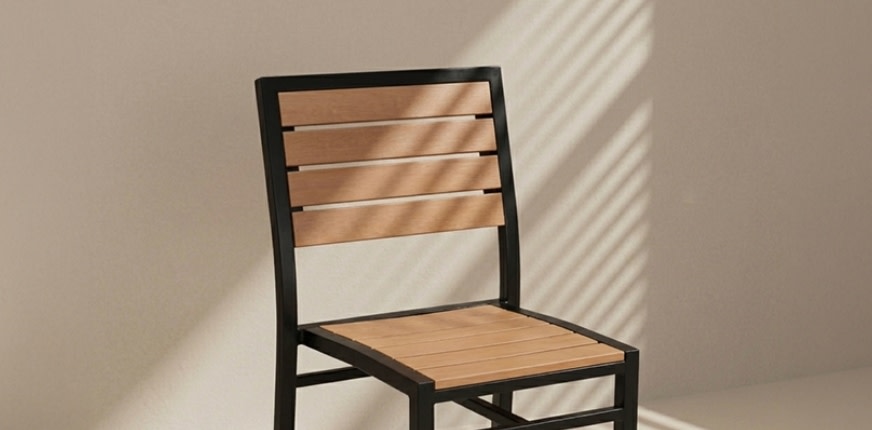


What Separates Commercial Restaurant Chairs from Residential Ones
The chairs you pick during a restaurant buildout will either save you thousands over the next five years or quietly drain your budget with replacements you didn't plan for. An owner grabs a set of dining chairs that look great in the showroom, and six months later, the joints are wobbling, the finish is scratched to bare metal, and half the seats have a permanent lean. That's what happens when residential-grade furniture meets a real dinner service.
Commercial restaurant chairs aren't just heavier versions of what you'd put in a home dining room. The frames are reinforced at every stress point; weight ratings start at 500 lbs; and BIFMA testing subjects chairs to repeated impact cycles, lateral leg pressure, and backrest force. Below, we cover materials, sizing, venue fit, durability, cleaning, and how to order smart.
Comparing Wood, Metal, and Upholstered Chairs
Solid Wood Frames
Wood restaurant chairs work best in full-service restaurants, steakhouses, and anywhere the dining room needs warmth. The strongest commercial options use beech, oak, or mahogany that's been kiln-dried to 6 to 8 percent moisture content. Joints should be mortise-and-tenon with corner blocks, not dowel-only, because dowels loosen fast under restaurant-level stress. For finishes, catalyzed lacquer beats standard polyurethane because it resists water rings, spilled wine, and commercial sanitizers. Weight matters too: a beech chair runs 10 to 14 lbs, which your closing crew will appreciate when flipping 60 chairs onto tables at midnight. Oak pushes 16 lbs or more per chair. For a detailed look at solid versus plywood construction, check our wood seat comparison guide.
Steel and Aluminum Frames
Metal restaurant chairs cover everything from lightweight aluminum for outdoor patios to heavy-gauge steel in industrial styles. Powder-coated finishes, baked on at two mil thickness minimum, won't peel and stand up to daily stacking, table-edge contact, and whatever sanitizer your staff sprays at close. Steel frames commonly carry 500-lb weight ratings. From a maintenance standpoint, metal is about as easy as it gets: wipe it down with a damp cloth, and you're done. Diner chairs with chrome frames and vinyl seats bring retro appeal to breakfast spots and classic American diners.
Padded and Upholstered Seats
Upholstered restaurant chairs work best in fine dining, wine bars, and hotel restaurants where guests sit for an hour or longer. The spec most buyers skip is the double-rub count: residential fabrics hit around 15,000, but restaurants need at least 30,000, and high-volume spots should shoot for 50,000 or higher. Vinyl and faux leather blow past those numbers and are wipeable, which is why they show up in family restaurants and diners everywhere. Don't overlook the foam, either. Commercial-grade runs 1.8 to 2.5 lb density, compared to the 1.5 lb residential foam that bottoms out within a year.
Matching Chairs to Your Restaurant Concept
Your chairs need to match how your restaurant actually works on a busy night. In fine dining, guests sit for 45 to 90 minutes, so comfort is the whole point: padded seats with at least a 2-inch cushion, supportive backs, and restaurant armchairs at the best tables. Fast-casual spots need chairs comfortable enough for a 15- to 25-minute meal but not so inviting that people camp out. Metal chairs with contoured seats hit that sweet spot. Stack chairs that go 8 to 10 high save serious time on layout changes and close-of-night cleanup.
Bars and breweries lean toward industrial restaurant chairs with exposed metal frames and distressed finishes. Banquet halls buying 100 to 500 chairs should focus on folding chairs or lightweight aluminum chiavari chairs at 7 to 9 lbs each, because your setup crew is moving a ton of furniture per event. For restaurants where chairs must remain fixed to the floor, bolt-down chairs prevent theft and keep aisles clear of shifted furniture during busy service.
Seat Heights, Widths, and Spacing Standards
Getting the sizing wrong creates problems that are expensive to fix. Standard dining-chair seat height is 18 inches, pairing with 29- to 30-inch table heights. You want 10 to 12 inches of clearance between the seat top and the underside of the table apron. Seat width generally runs 16 to 18 inches, with the 17-inch sweet spot fitting the widest range of guests and standard two-top or four-top tables. Total chair height, floor to back top, runs 32 to 36 inches: taller backs read more formal, shorter backs feel open and keep sightlines clear. If you're running restaurant booths on the walls with freestanding tables in the center, try to match chair-back height to booth-back height for a cleaner look.
BIFMA Ratings and Long-Term Durability
When a chair says "500 lb capacity," that number comes from ANSI/BIFMA X5.4 testing, which covers static load, impact, stability, and back strength. Impact and fatigue tests better predict real-world longevity than static load alone. On the metal side, 18-gauge steel tubing is the industry standard for balancing strength and weight. Among woods, beech is the strongest species commonly used, followed by oak and then maple. Our chairs meet BIFMA commercial standards, so you're not guessing about whether a frame will hold up through years of daily use. Don't ignore floor glides: nylon for hard surfaces, metal for carpet only.
Daily Care and Long-Term Maintenance
Metal is simplest: damp cloth, restaurant sanitizer, done. Don't use abrasive pads on powder-coated surfaces, and touch up chips before rust starts. Wood needs periodic joint checks and refinishing once the front seat edge or armrests show wear. Avoid bleach-based cleaners on wood finishes. Upholstery takes the most work: vinyl wipes clean with soap and water, but fabric needs a stain-protector treatment at install and deep cleaning every 3 to 6 months. The number one reason upholstered chairs get replaced early isn't broken frames. It's stains and smells that won't come out.
Bulk Pricing, Lead Times, and Volume Discounts
Stock models from our US warehouse usually arrive in 5 to 10 business days. Custom work, including specific upholstery, non-standard finishes, or modified heights, takes 4 to 8 weeks. Order 5 to 10 percent more than you need because chairs get damaged during shipping and in the first months of operation. Volume discounts usually kick in at 50 units, with better rates at 100 and 200. Many of our best-selling models are American-made, which means faster delivery and no overseas shipping delays.
Coordinating Chairs with the Rest of Your Dining Room
A dining room feels pulled together when the furniture shares a material language and finish family. Match wood chairs to your restaurant tables and table bases in the same tone family. If you've got booth seating along the walls, match the upholstery on your freestanding chairs to the booth vinyl or fabric. Extend that consistency to the bar stools, and the whole space reads as professionally designed rather than piecemeal furnished. For outdoor sections, patio chairs should coordinate with your indoor style so the transition feels intentional.
Why Affordable Seating for Restaurant Chairs
Every chair on this site was selected for commercial use. We evaluate frame construction, test weight ratings, and check finish quality before anything goes into the catalog. A large portion of our inventory is manufactured in the US, so lead times are shorter, and warranty service is simpler. If you're not sure what fits your project, call us at (866) 573-0712 or start a live chat. For a deeper look at materials, styles, and how to spec chairs for your layout, read our restaurant chairs buying guide.
Browse the full restaurant chairs collection, or shop by material: wood, metal, or upholstered. Filter by style: industrial, diner, chiavari, or armchairs. Need chairs for events? Check the stack chairs and the folding chairs. And when you're ready to round out the dining room, we carry restaurant tables, bar stools, booths, and patio furniture that all work together.